
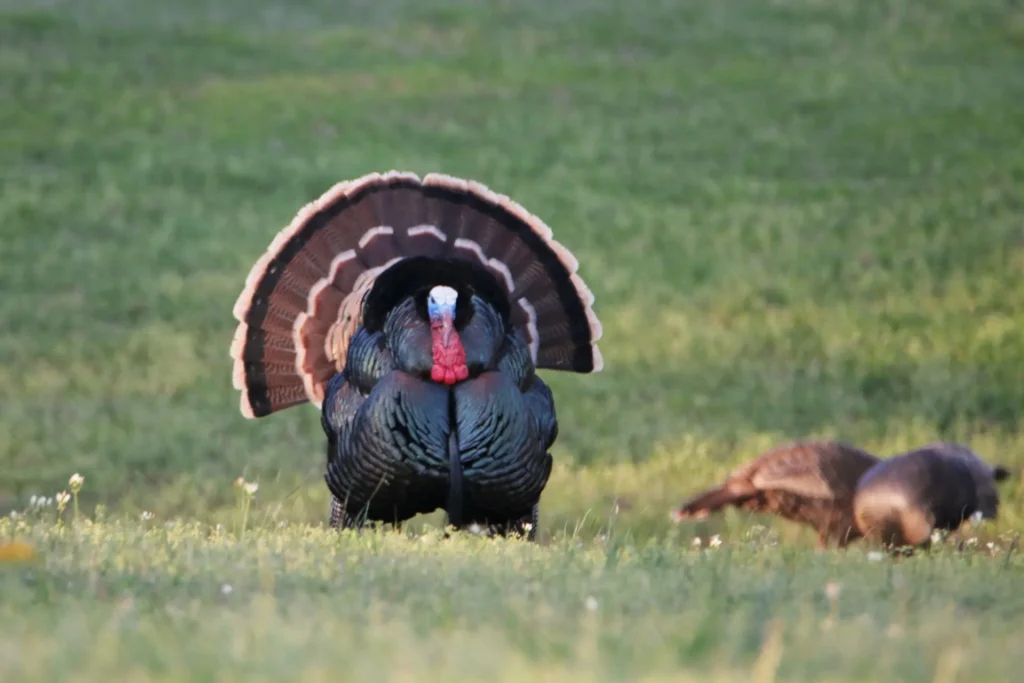
There is nothing quite like the sound of a thunderous “gobble” breaking the silence of a crisp spring morning. For many hunters, turkey season is the true beginning of the year. But unlike other game, turkeys possess prehistoric-level eyesight and a wary nature that can frustrate even the most seasoned woodsman.
If you are looking to tag your first tom this season, this guide covers the essentials you need to go from a spectator to a successful hunter.
1. Understanding the Spring Season
Spring hunting is all about the “rut.” This is when male turkeys (gobblers or toms) are looking for hens. Your goal is to mimic a lonely hen to draw the gobbler into range.
- Timing: Early morning is best. Turkeys fly down from their roosts at sunrise.
- Patience: A turkey may take hours to commit to your location. Never underestimate their ability to wait you out.
2. Gear Essentials: Dressing for Success
To beat a turkey, you must be invisible. Their vision is roughly three times better than a human’s and they see in color.
- Full Camouflage: This isn’t optional. You need a pattern that matches your local terrain (timber or field). This includes gloves and a face mask.
- The Turkey Vest: A dedicated vest with a padded seat is a lifesaver. Look for ones with specialized pockets for your calls and gear.
- Footwear: You’ll likely be trekking through mud and dew. Invest in high-quality, waterproof boots to stay comfortable during long sits.
3. The Art of the Call: Use Technology to Your Advantage
Calling is the heartbeat of turkey hunting. Whether you use a box call, a slate call, or a mouth diaphragm, you need to master the basic sounds: the Yelp, the Cluck, and the Purr.
Mastering these sounds takes practice, and that’s where modern technology comes in. While traditional calls are essential in the field, having a digital reference is a game-changer for both learning and secondary calling.
Pro Tip: For high-quality, authentic turkey sounds, check out the Turkey Hunting Calls app (available on the App Store/Play Store). It’s an incredible tool for practicing your rhythms at home or using as a reference guide while you’re scouting in the woods. Having those crisp, real-world recordings on your phone can help you identify exactly what the birds are saying to you in real-time.
4. Setup and Decoy Tactics
Once you hear a bird, you need to set the stage.
- Decoys: A simple hen decoy can give a gobbler the visual confirmation he needs to close the final 40 yards.
- The “Shadow” Setup: Always sit against a tree that is wider than your shoulders. This hides your silhouette and provides safety from other hunters.
5. Shot Placement and Ethics
Turkeys are tough birds. When using a shotgun, aim for the base of the neck where it meets the feathers. This ensures a quick, ethical harvest. Always pattern your shotgun before the season starts so you know exactly how your load performs at 20, 30, and 40 yards.
Conclusion
Turkey hunting is a game of patience, stealth, and communication. By combining the right gear with the right calling strategy, you increase your odds of a successful harvest significantly.
Remember to always check your local state regulations for season dates and permit requirements before heading out.